
Home | Travel Guides to Sri Lanka | Things to Do in Yala
Things to Do in Yala
Take at least one early morning jeep safari, visit a sacred site such as Kataragama or an ancient temple nearby, and add a second park or a bird-watching trip if time allows. Here is how to get the most from your time in and around Yala.
Yala at a Glance
| Activity | Time Needed | Best Time of Day / Season |
|---|---|---|
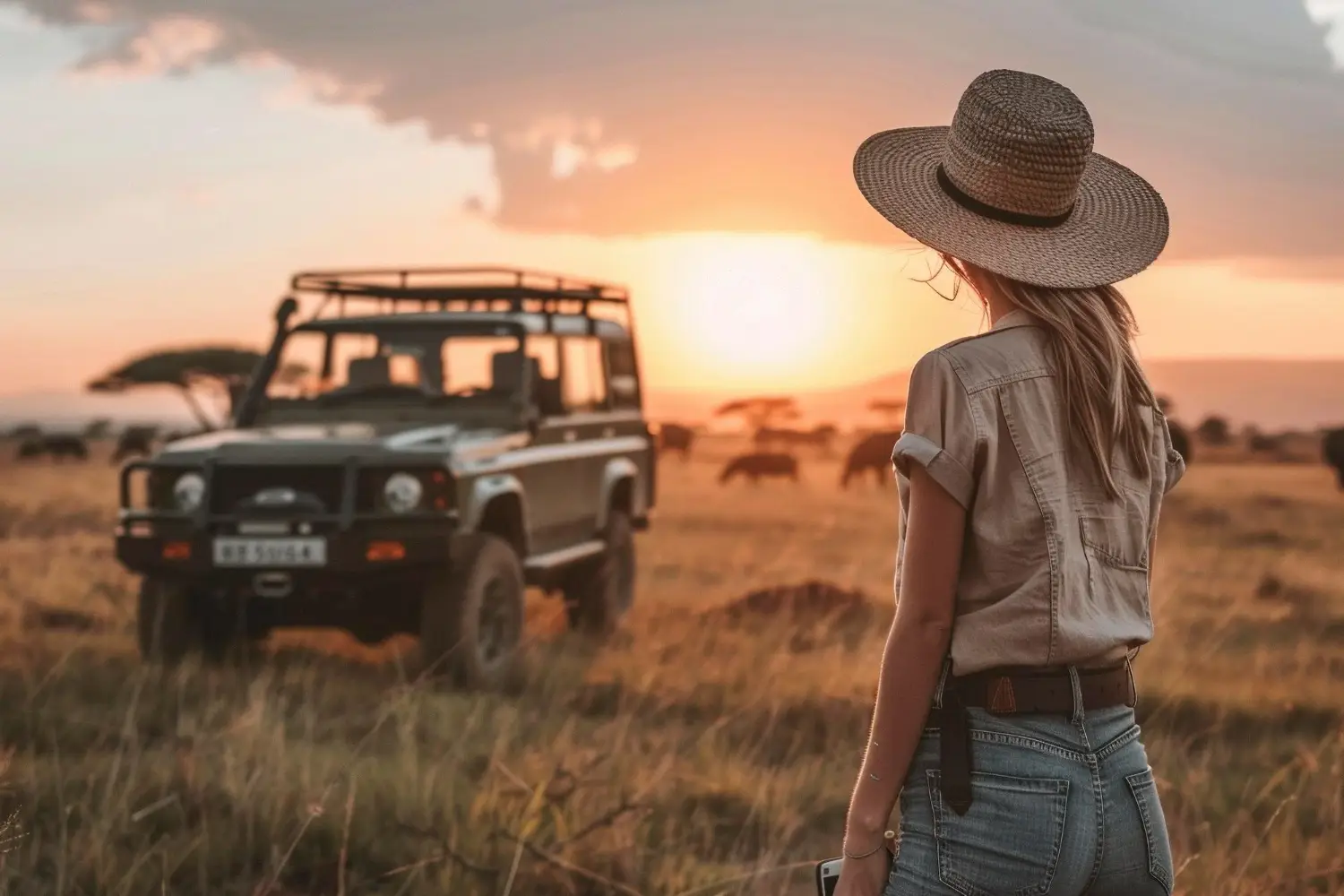
| Jeep safari in Yala National Park | 3 – 4 hours | Early morning, around 5:30am |
| Afternoon safari | 3 – 4 hours | From around 2:30pm |
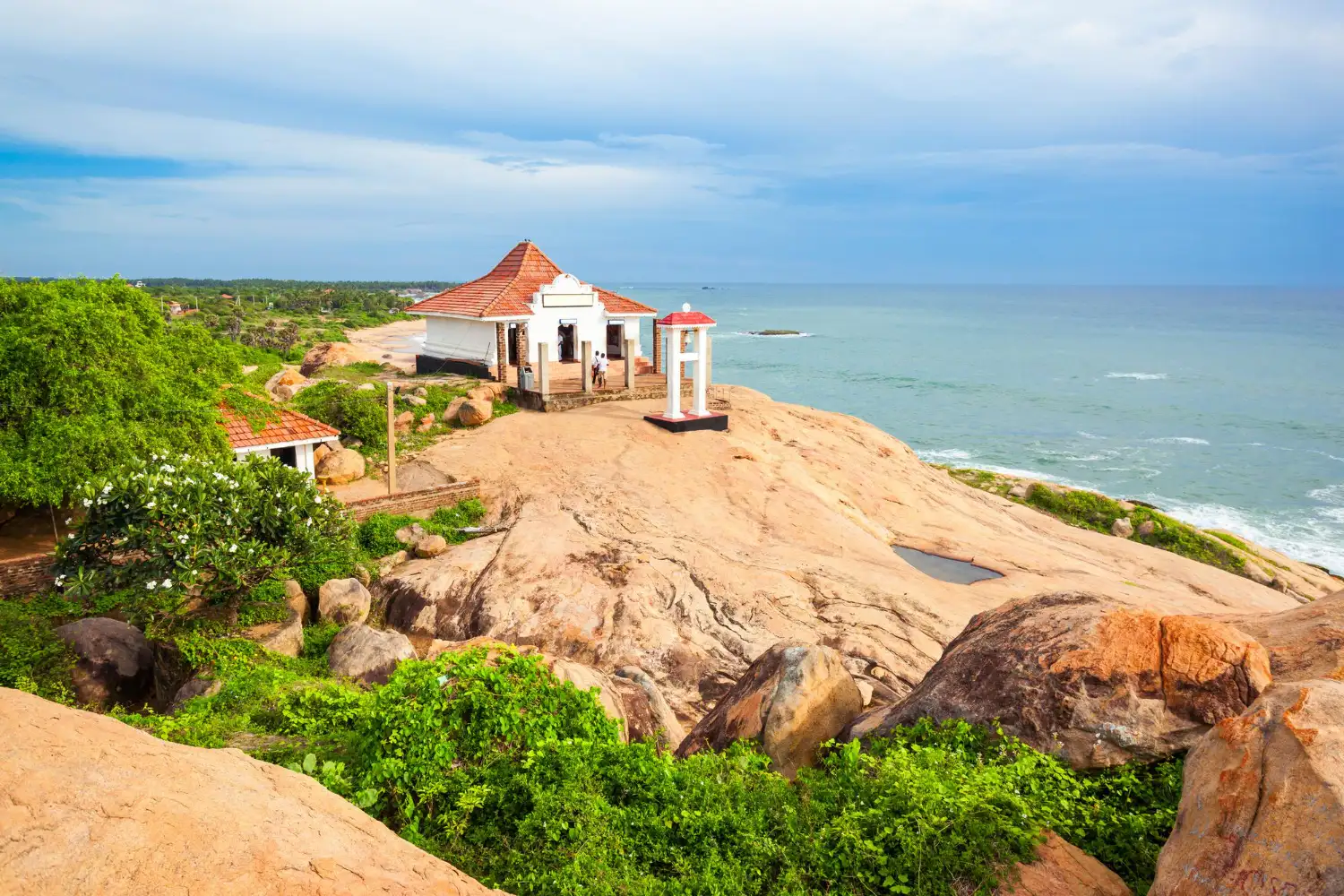
| Kataragama and sacred sites | Half a day | Evening, for puja ceremonies |
| Sithulpawwa Rajamaha Viharaya | 1.5 hours | Morning |
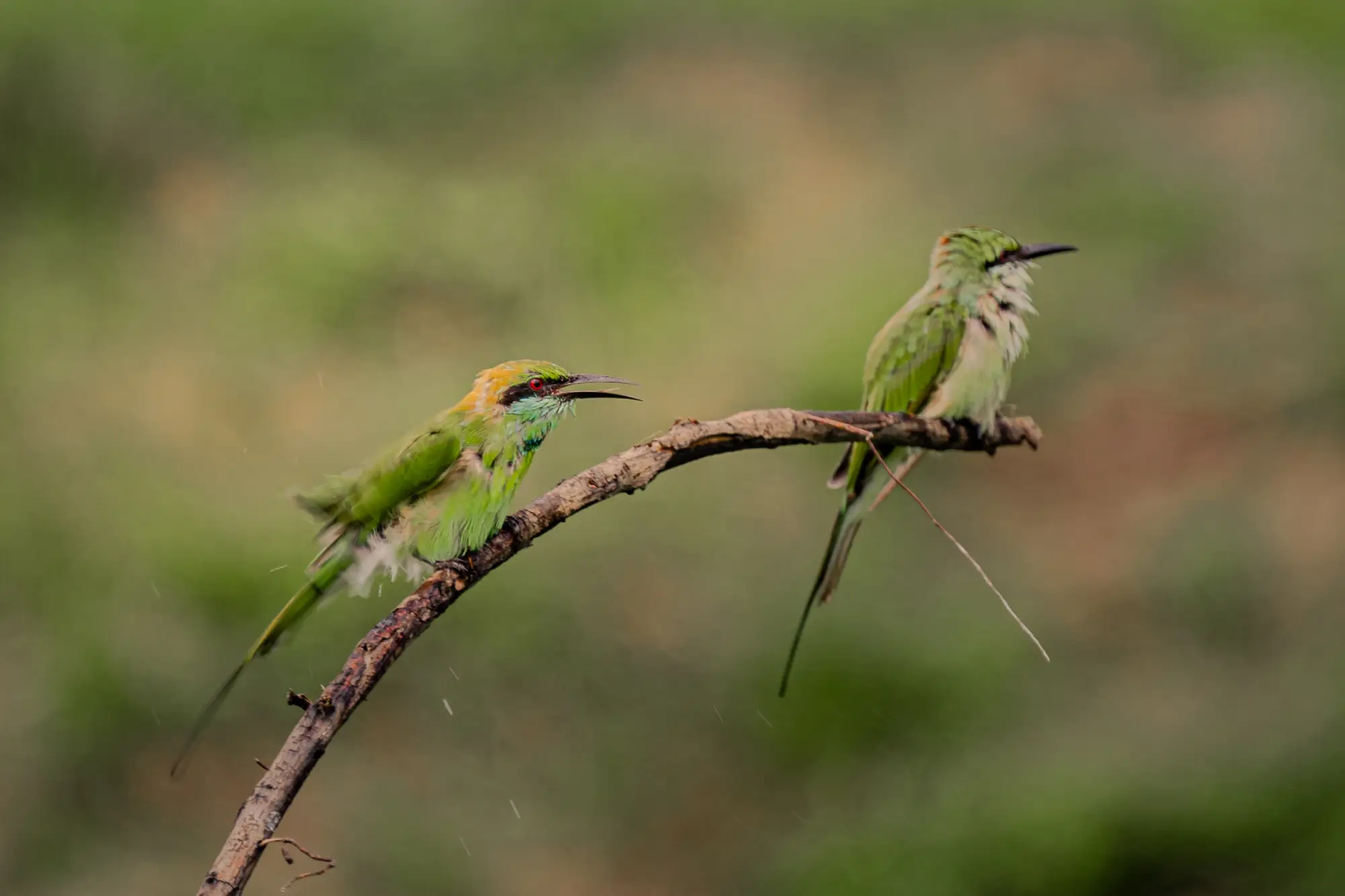
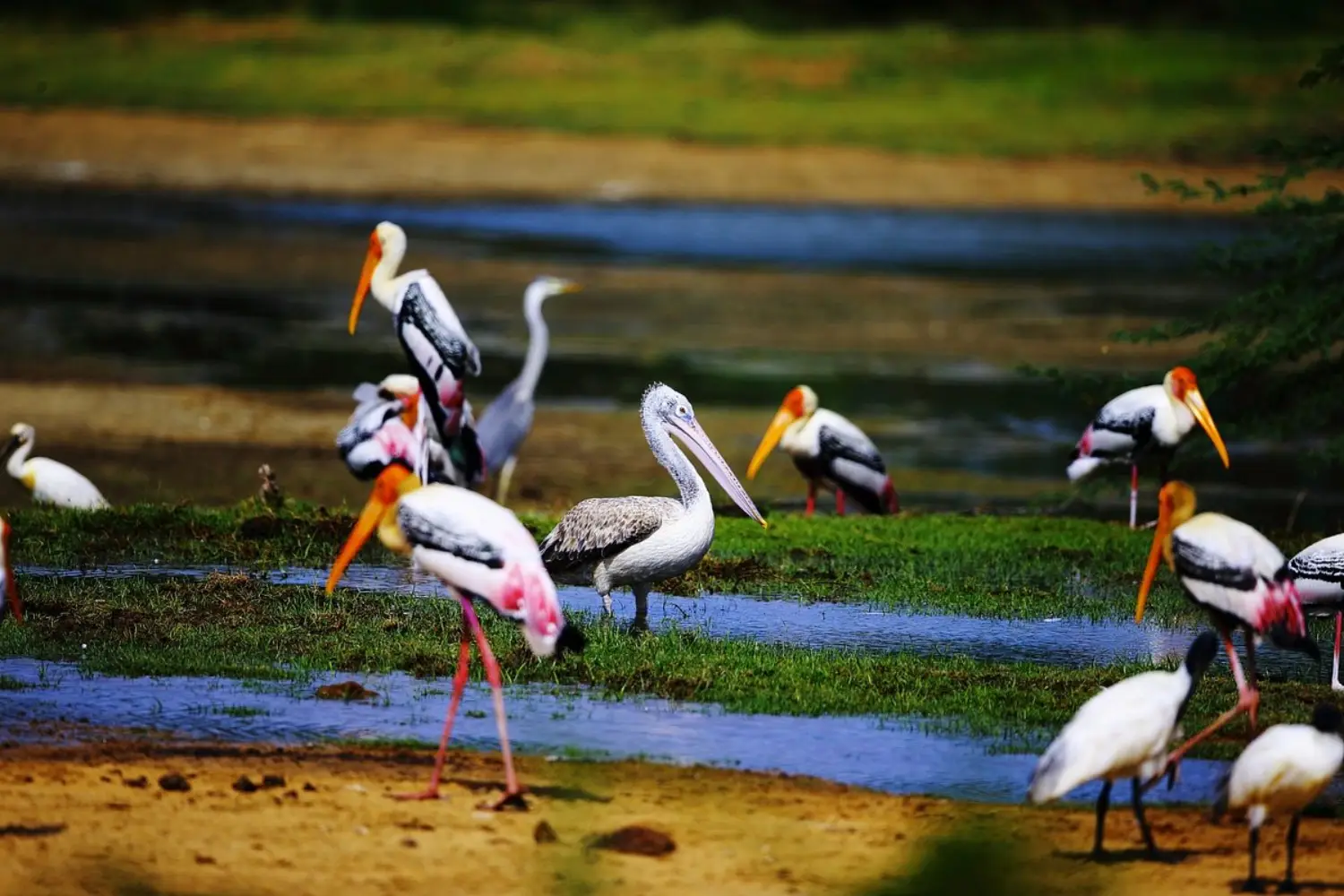
| Bundala or Kumana birdwatching | Half a day | November to March |
| Tissamaharama Lakes and Kirinda | 2 – 3 hours | Late afternoon |
Go on a Leopard Safari
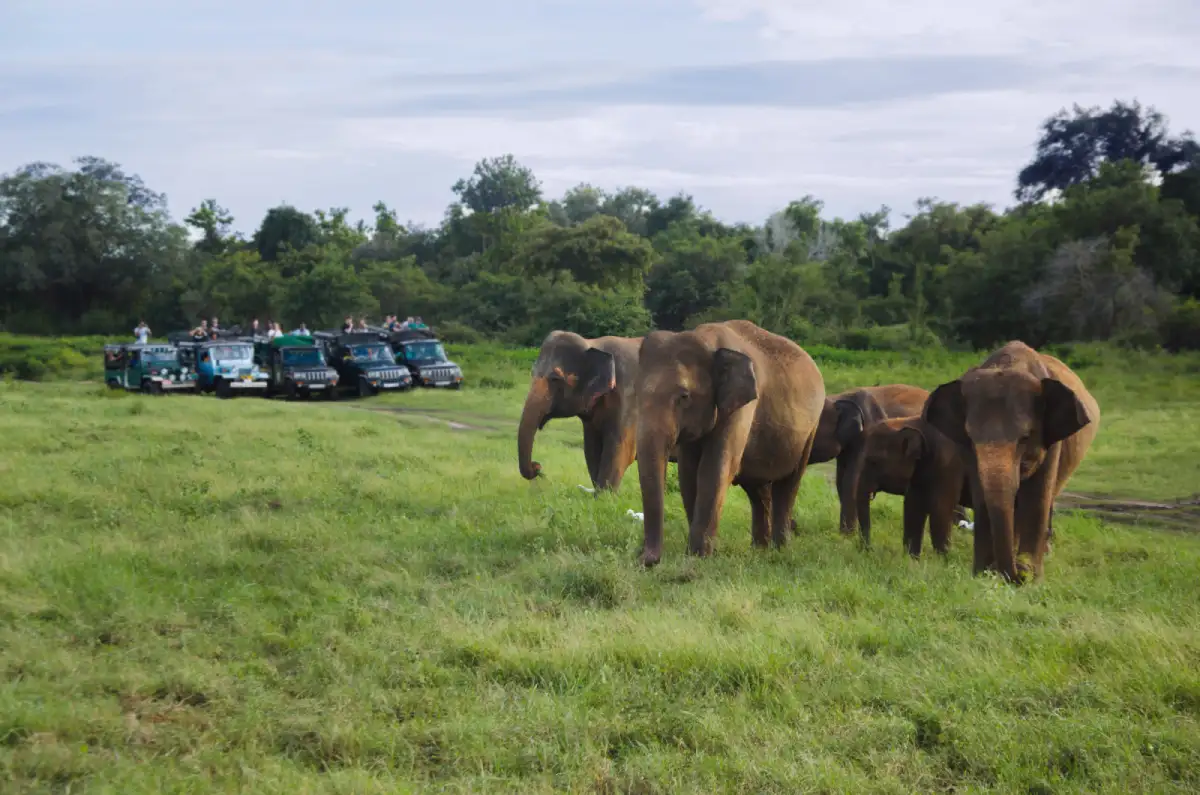
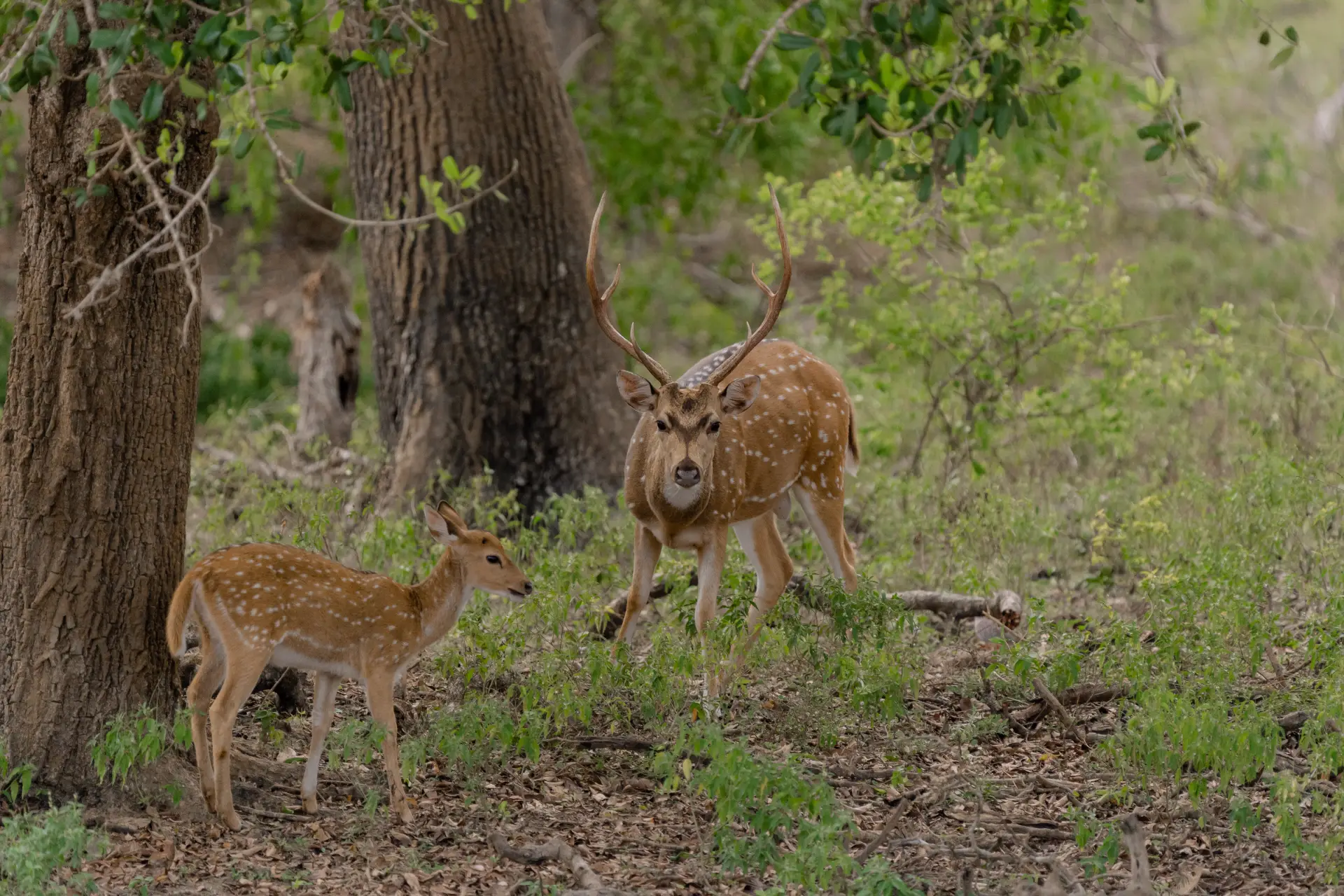
Look for Elephants, Sloth Bears, and Crocodiles
Safari Etiquette and Responsible Viewing
Best Time to Visit Yala
The dry season, from roughly February to June, is the best time for wildlife viewing, as animals concentrate around the remaining water sources and are easier to find. July to September also offers good conditions, though the park can be dusty and hot. Yala’s most popular section typically closes for around a month, usually in September, for annual maintenance, so check the dates before booking. October and November bring the first rains, and the park turns greener, with animals dispersing more widely. Whatever the month, early mornings give the best sightings.
How to Get to Yala and How Long to Stay
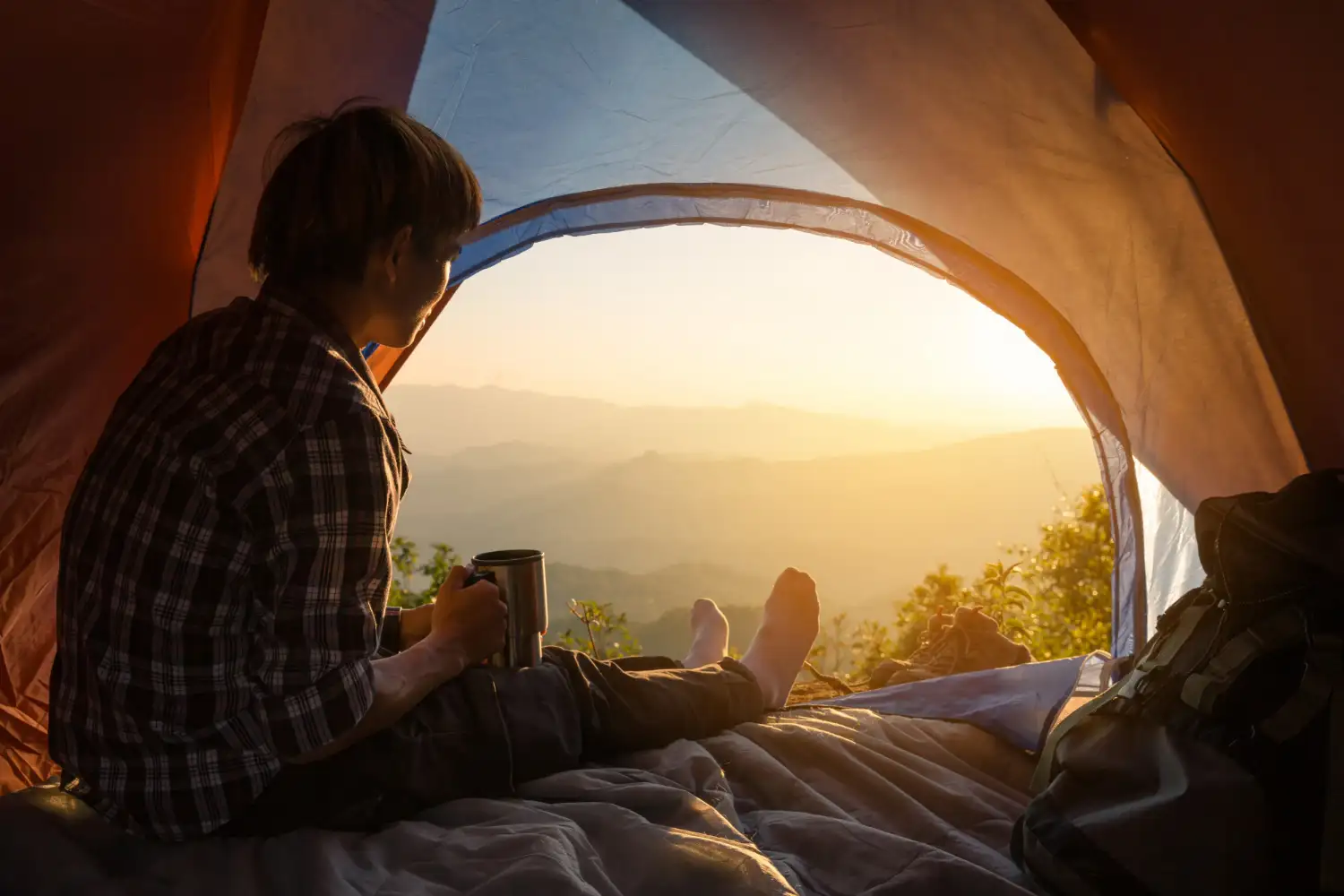
Yala is around 300 kilometres from Colombo, a drive of roughly five to six hours, and is about two hours from the south coast beaches near Mirissa and Tangalle. Most travellers stay in or near Tissamaharama or Kirinda, or in luxury camps closer to the park gates. One night is the minimum, but two lets you do both a morning and an afternoon safari, plus a side visit to Kataragama or a nearby temple.
Practical Tips
- Book your jeep and guide in advance, particularly in the dry season, and start with a morning safari.
- Wear neutral colours, a hat, and sunscreen, and bring a light jacket for the early morning chill.
- Carry binoculars and a camera with a good zoom; many animals are seen at a distance.
- Never feed or approach wildlife, and keep noise to a minimum to improve everyone's chances.
- Check current park ticket prices and opening hours, as fees and rules are updated from time to time.
