
Best Time to Visit Sri Lanka for Beaches
Why Sri Lanka Has Two Beach Seasons
West & South Coast Beaches
East Coast Beaches
Beach Weather by Month, Both Coasts
| Month | West & South Coast | East Coast |
| January | Peak dry season, best conditions | Wet, rough seas - avoid |
| February | Excellent, dry and calm | Improving, still unsettled |
| March | Excellent, dry and calm | Good, seas calming |
| April | Good, early transition rains possible | Very good, season opening |
| May | The southwest monsoon begins - avoid | Excellent, dry and calm |
| June | Wet, rough seas - avoid | Excellent, peak conditions |
| July | Wet, rough seas - avoid | Excellent, peak conditions |
| August | Wet, rough seas - avoid | Excellent, peak conditions |
| September | Improving toward month end | Very good, still reliable |
| October | Good, early transition rains possible | The northeast monsoon begins - avoid |
| November | Very good, season opening | Wet, rough seas - avoid |
| December | Peak dry season, best conditions | Wet, rough seas - avoid |
Best Time by
What You Want to Do
Swimming & Family Beach Time


Surfing
Snorkelling & Diving

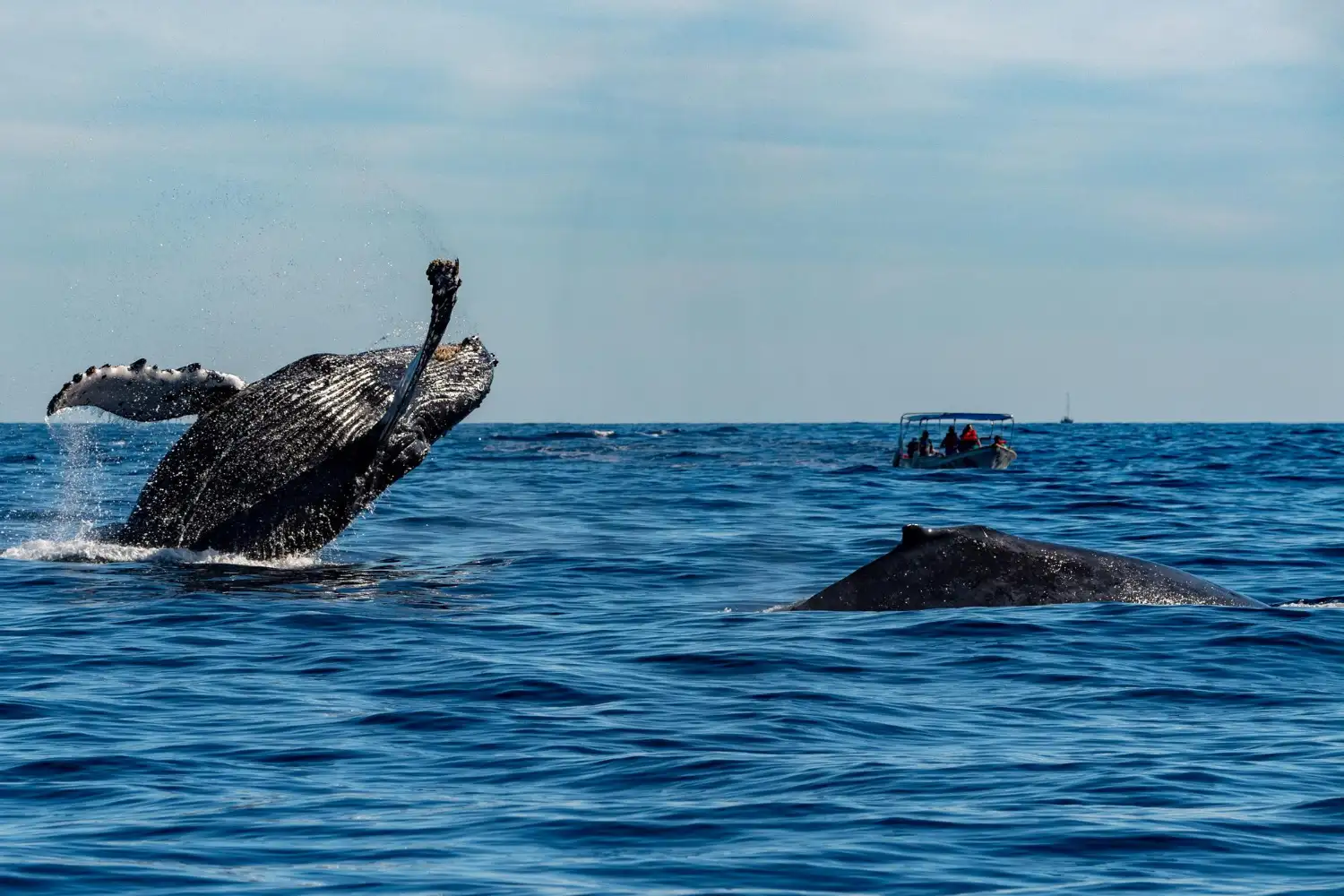
Whale & Dolphin Watching
What About the Shoulder Months?
Combining Both Coasts in One Trip
Because the two coasts run opposite seasons, it’s entirely possible to build an itinerary that stays in good beach weather throughout, even outside the classic December-to-April window. A June or July trip, for example, can spend its beach days on the east coast around Trincomalee or Arugam Bay while still taking in the Cultural Triangle and hill country, which are largely dry-season-independent inland. This kind of route works particularly well for travellers who want a longer Sri Lanka trip without gambling on a single coast’s weather. Two weeks is usually enough to comfortably fit both a west- or south-coast stay and an east-coast stay, with the Cultural Triangle or hill country bridging the drive between them.
Peak Season, Shoulder Season, and Prices
Best Beaches for Sunset
Because the west and south coasts face roughly southwest, they catch Sri Lanka’s best ocean sunsets, particularly from viewpoints like Galle Fort’s ramparts, the rocky headland at Unawatuna, and the open sand at Tangalle. These are at their most reliable during the dry months from December to March, when skies are clearest and least likely to be interrupted by cloud cover rolling in off the sea.
Practical Tips for Beach Travel in Sri Lanka
- Check the flag system at unfamiliar beaches; rip currents can be strong even during the dry season, particularly around Hikkaduwa and parts of the south coast.
- Pack reef-safe sunscreen if you plan to snorkel around Pigeon Island or Hikkaduwa’s coral areas.
- Book whale-watching trips for the earliest available departure; seas are calmest and sightings most frequent in the first couple of hours after sunrise.
- If travelling in shoulder season, keep plans flexible for the afternoon; mornings are usually clear even when short showers are forecast later in the day.
- Domestic flights and well-organised road transfers make it realistic to combine both coasts even on a trip of ten to twelve days.
