Things to Do in Mirissa

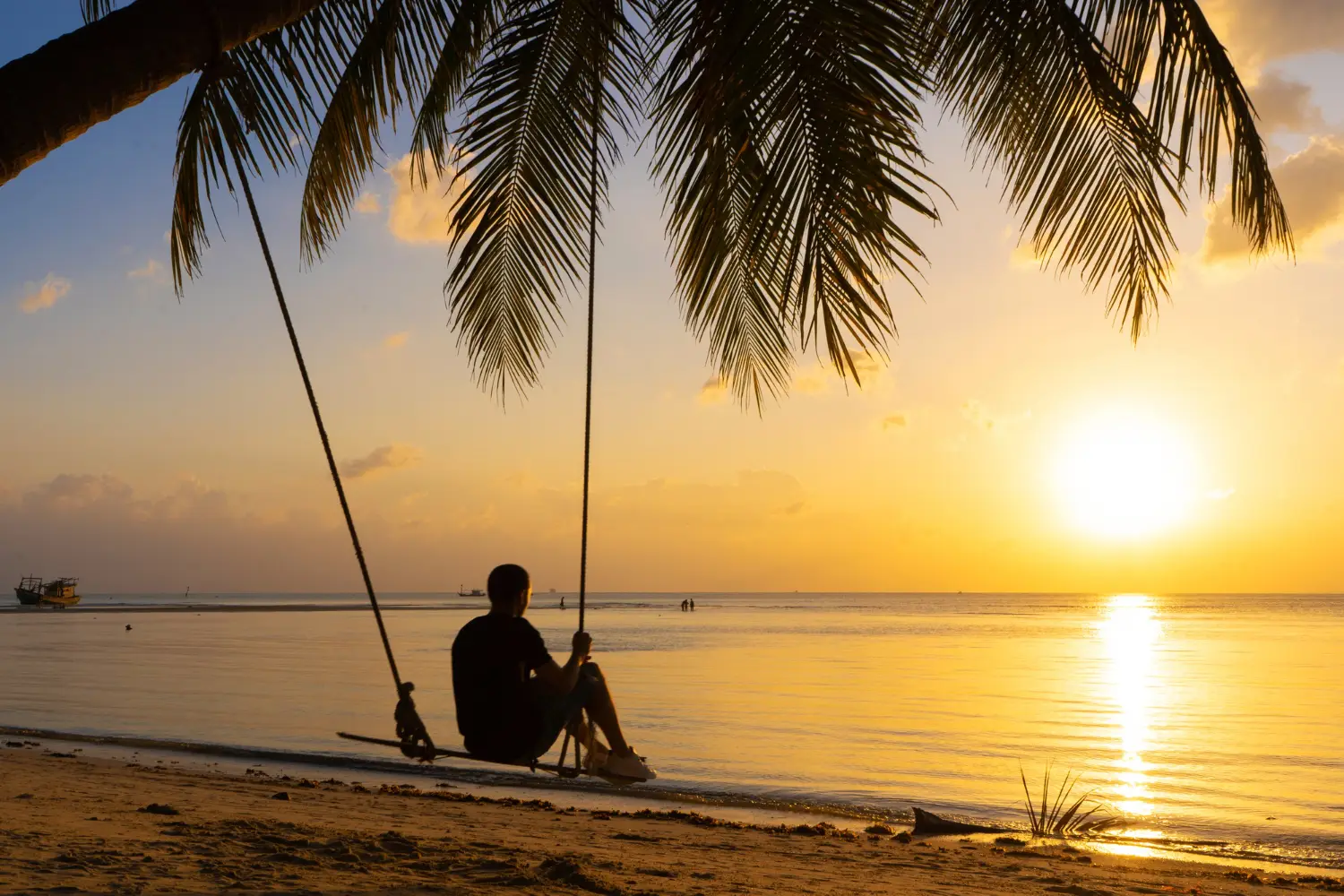
Mirissa is the south coast in a single bay: a crescent of golden sand, palm trees leaning over the water, fishing boats bobbing at anchor, and a laid-back strip of cafes and beach bars behind it. What began as a quiet fishing village has become one of Sri Lanka’s most loved beach destinations, and it remains one of the few places in the world where you can realistically set out in the morning to see blue whales.

Go whale watching at dawn, spend the middle of the day on the sand, and climb a viewpoint for sunset. Beyond that, the surrounding coast offers surf breaks, a fort-lined old town, turtles, and a lighthouse at the island’s southern tip. Here is how to fill your days.

Mirissa at a Glance

Activity Time Needed Best Time of Day / Season
Whale watching 4 – 5 hours Early morning, November to April
Mirissa Beach and Parrot Rock Half a day Morning or late afternoon
Coconut Tree Hill 30 – 45 minutes Sunrise or sunset
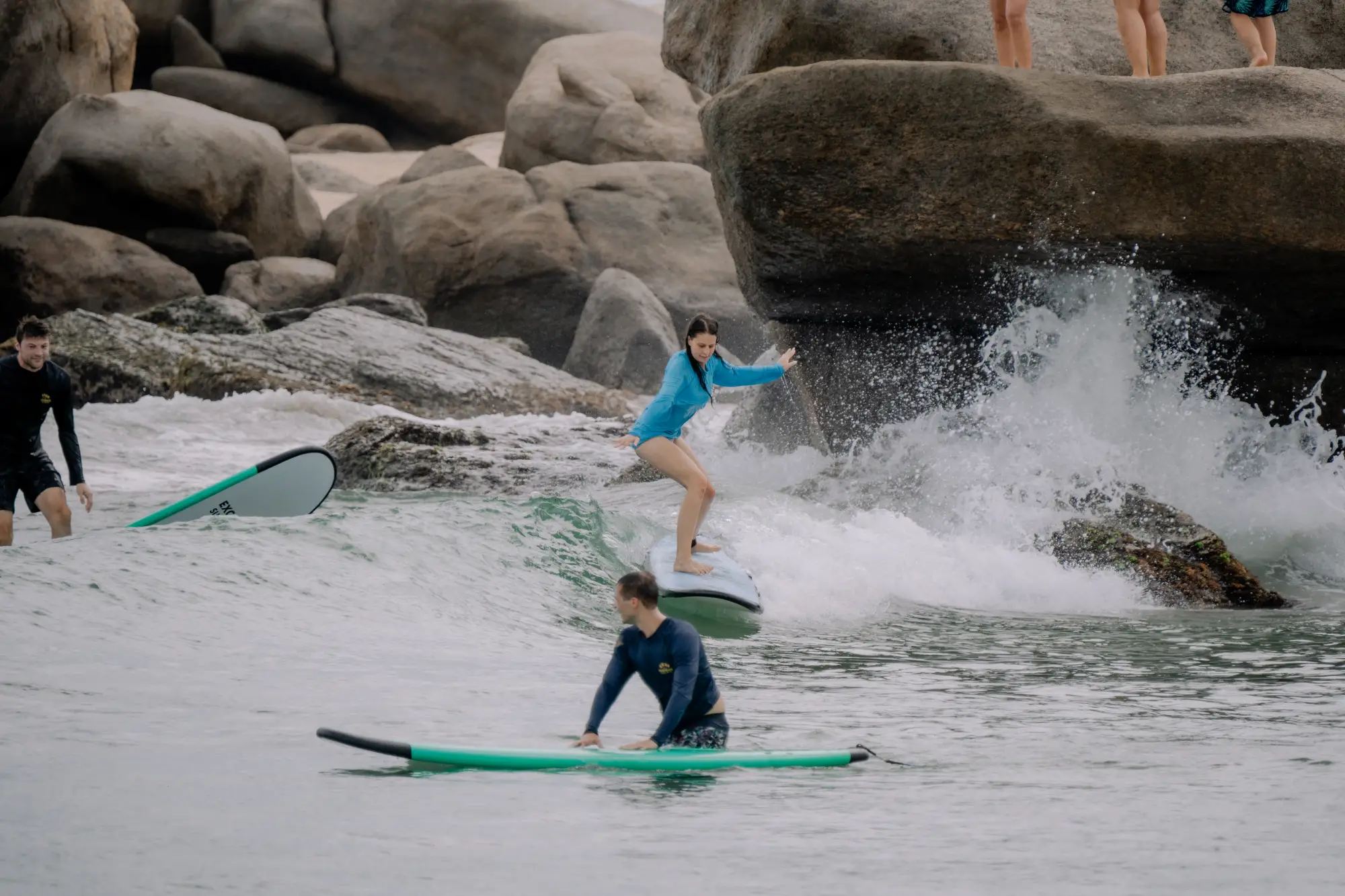
Surfing in Weligama 2 – 3 hours Morning, November to April
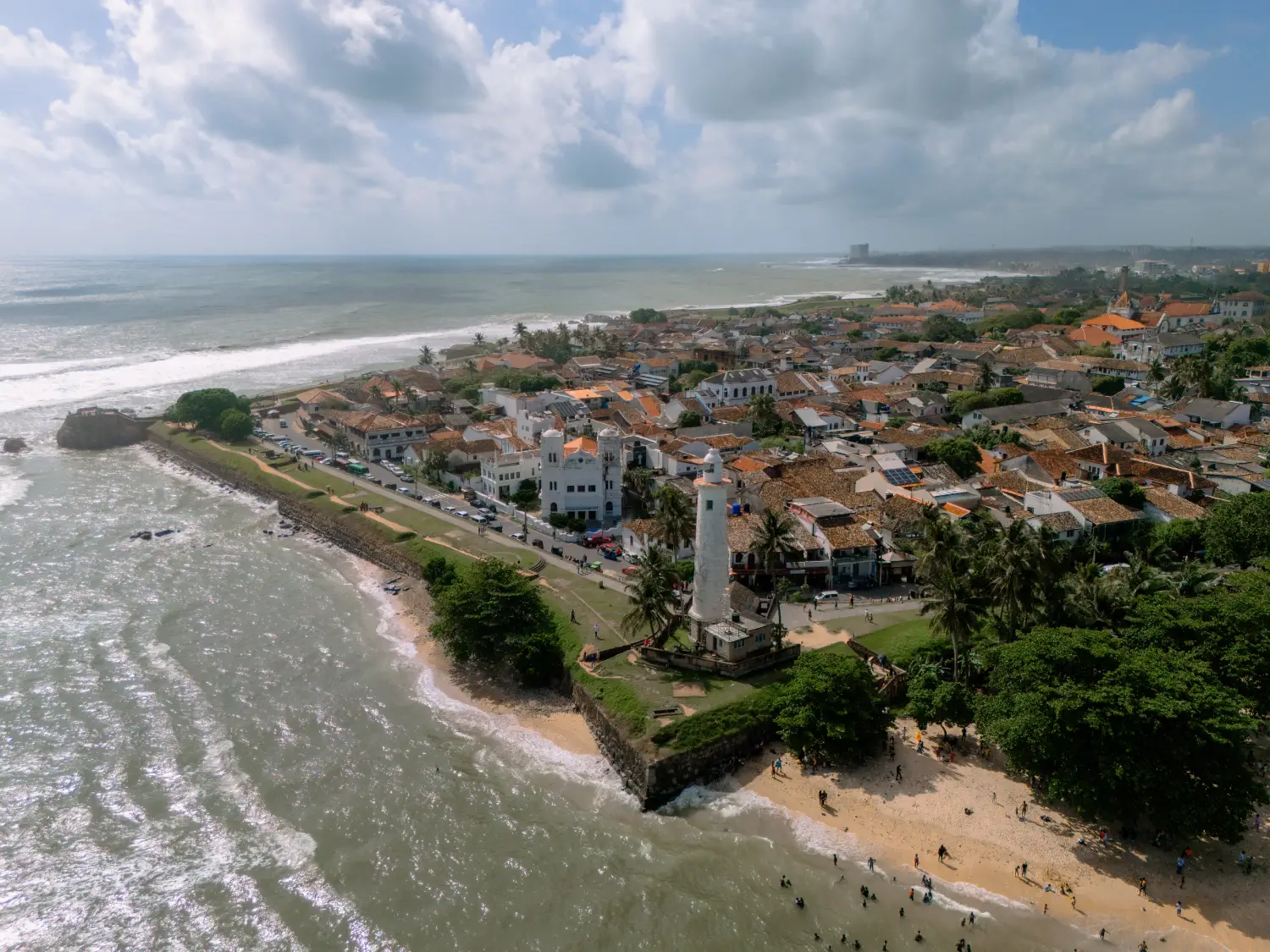
Galle Fort day trip Half- to full-day Late afternoon for sunset on the ramparts
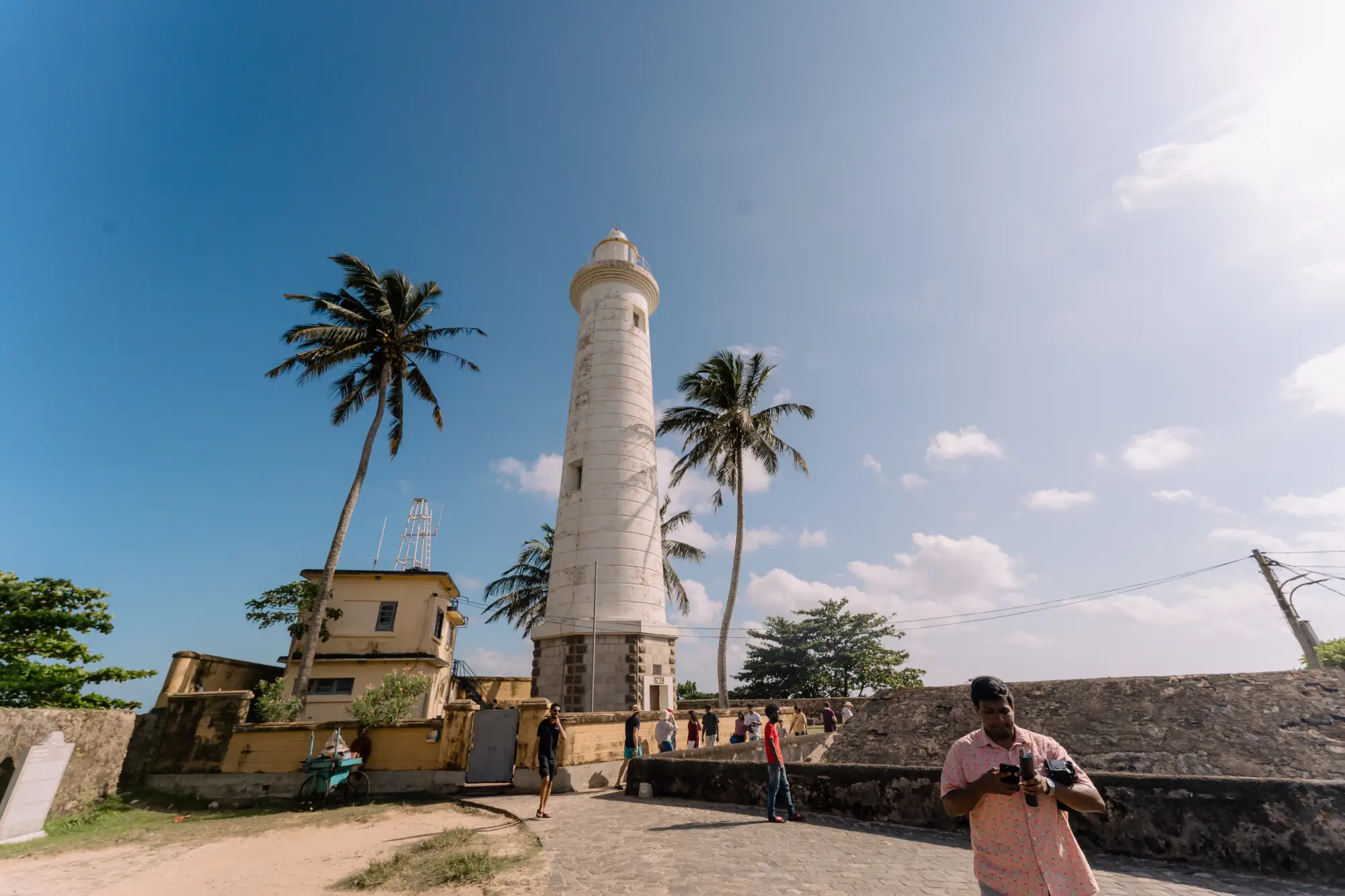
Dondra Head Lighthouse 1 hour Late afternoon

Go Whale Watching

Mirissa’s offshore waters sit close to a major shipping lane where the continental shelf drops away steeply, which brings deep-water species within reach of a short boat trip. The season runs from roughly November to April, with blue whale sightings most reliable between December and March. Sperm whales, Bryde’s whales, and large pods of spinner and striped dolphins are also regularly seen.
Boats leave in the early morning, usually between 6am and 7am, and the trip takes around four to five hours. Take a motion sickness tablet beforehand if you are prone to it, as the open sea can be rough, and bring a hat, sunscreen, and a light layer. Responsible operators keep a respectful distance, limit time near the animals, and follow national guidelines; choosing one carefully matters both for the whales and for the quality of your experience. Your hotel or tour operator can help you pick a reputable boat.

Relax on Mirissa Beach

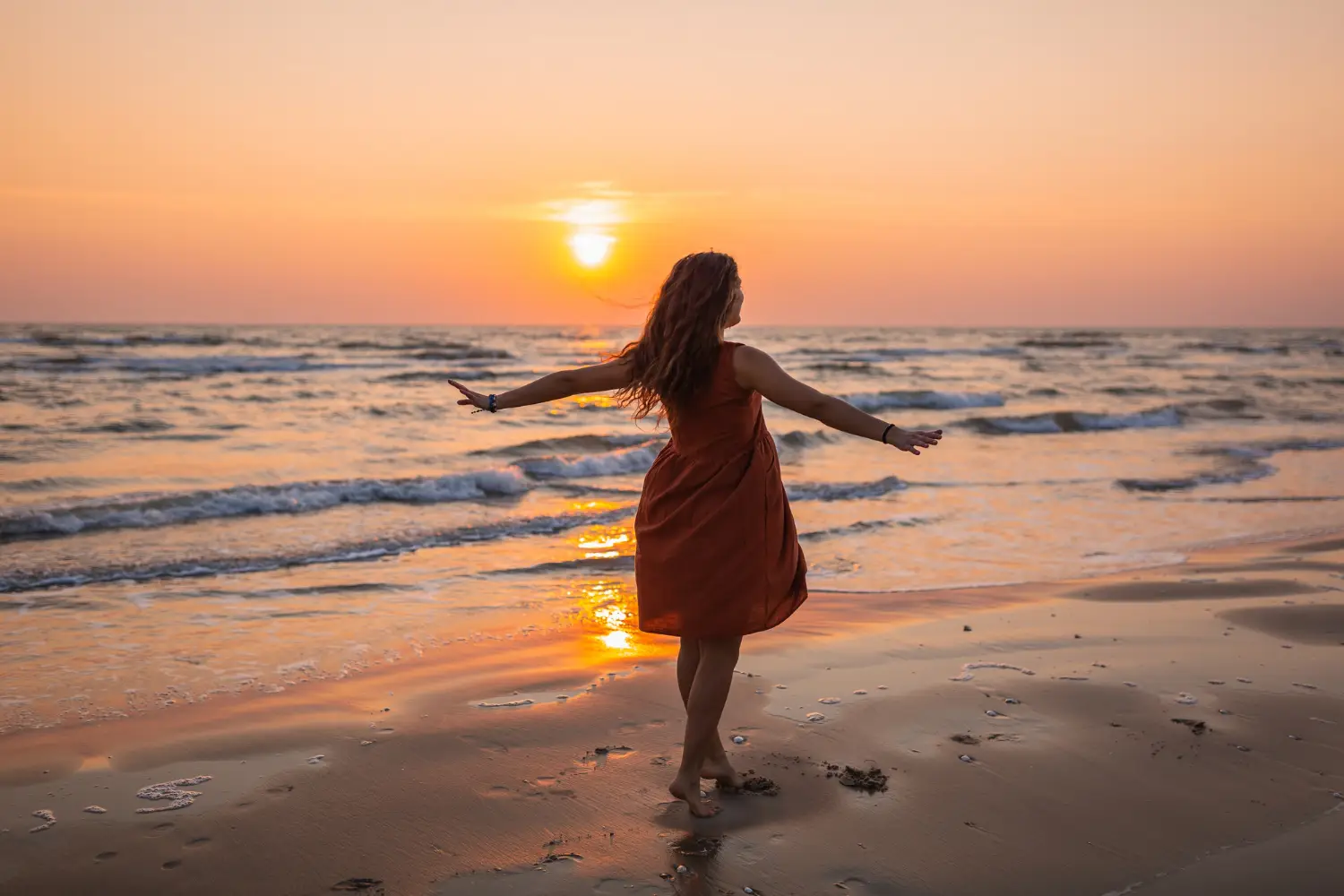
The main beach is the town’s heart, a wide sweep of sand with calm, swimmable water during the dry season and a lively but easygoing atmosphere. Sun loungers and beach cafes line the back of the bay, and by evening the restaurants set tables on the sand and grill the day’s catch. For something quieter, walk to the far ends of the bay, where the crowds thin out.

Parrot Rock

At the eastern end of the beach, a small rocky outcrop known as Parrot Rock can be reached by wading across the shallows at low tide. A short climb to the top rewards you with a view over the bay and the fishing boats at the harbour. It is an easy and free way to get a different perspective on the beach.

Secret Beach

A short distance away, a small and sheltered cove often called Secret Beach is reached by a track from the road. It is calmer and less crowded than the main bay, though its popularity has grown, so arrive early for a quiet spot.

Best Time to Visit Mirissa

The best time to visit Mirissa is between November and April, when seas are calm, skies are mostly clear, and the whale season is in full swing. December to March is the most reliable stretch, though it is also the busiest and most expensive, particularly around Christmas and New Year. From May to September, the southwest monsoon brings rough seas, heavy showers, and strong currents, and many beach businesses scale back. Swimming is not recommended when the sea is rough, and whale watching typically pauses for the season. 

Mirissa is roughly 150 kilometres south of Colombo. Thanks to the Southern Expressway, the drive takes around two and a half to three hours by private car, and there is also a scenic coastal train to nearby Weligama and Matara. Two nights is the minimum for a whale-watching trip and a day on the beach, while three to four nights lets you include a Galle excursion and a surf lesson without rushing.

Practical Tips

Frequently Asked Questions

When is the best time to see blue whales in Mirissa?
The whale-watching season runs from November to April, and blue whale sightings are most reliable between December and March. Sightings are never guaranteed, as these are wild animals, but the odds are good during the peak months.
Yes, in the dry season. The main bay is generally calm from November to April, though there are occasional currents, so it is wise to follow local advice and any lifeguard flags.
Two to four nights is ideal. That allows a whale-watching trip, time on the beach, and a day excursion to Galle or Weligama.
Yes, though younger children may find the long early morning whale-watching trip tiring. Polhena and Weligama offer calmer water for families, and the main bay is suitable when seas are gentle.
Our team pairs the right south coast stay with whale watching departures, Galle excursions, and the best seasonal timing so every day by the sea goes smoothly.
Chat on WhatsApp