
Home | Travel Guides to Sri Lanka | Things to Do in Sigiriya
Things to Do in Sigiriya
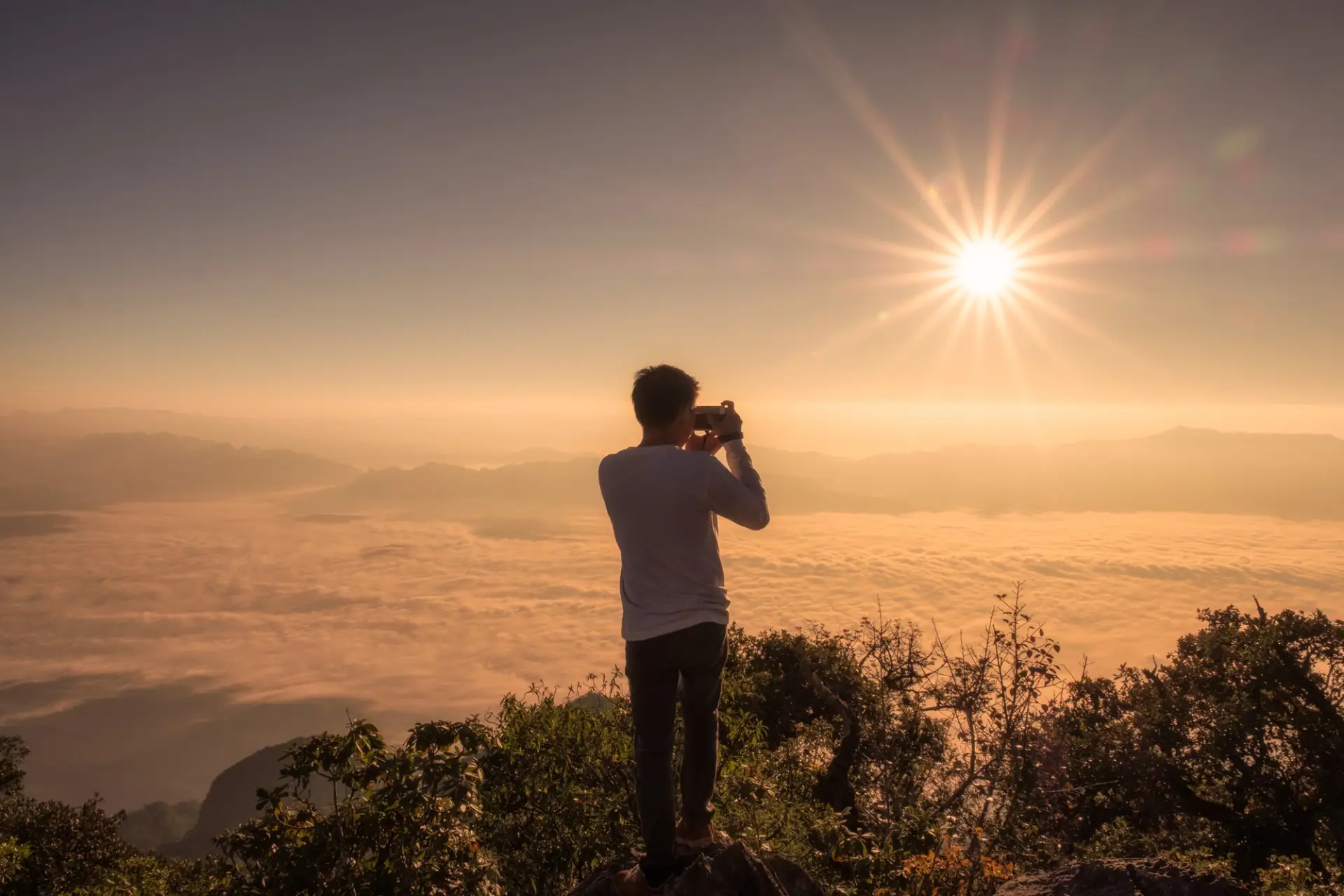
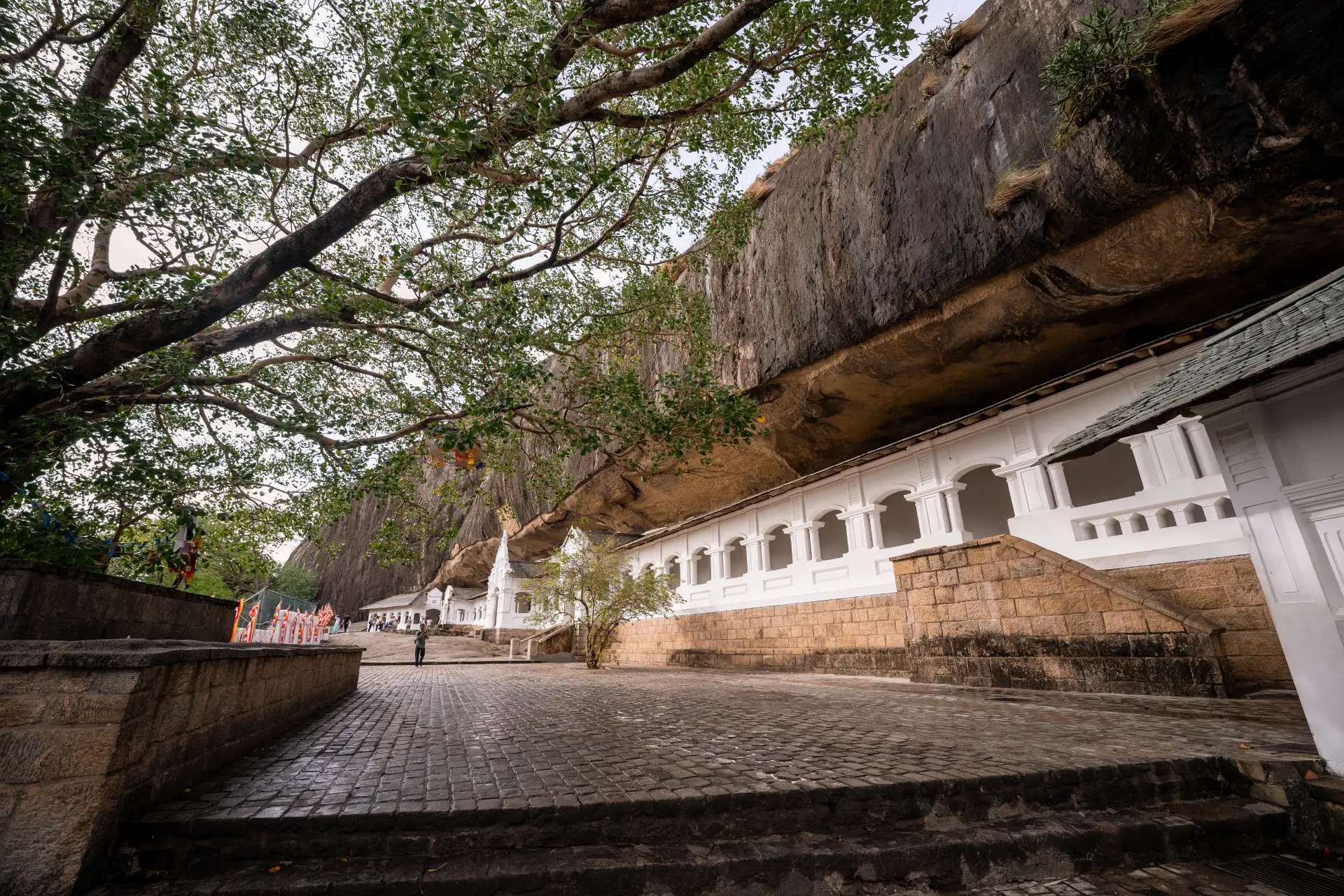
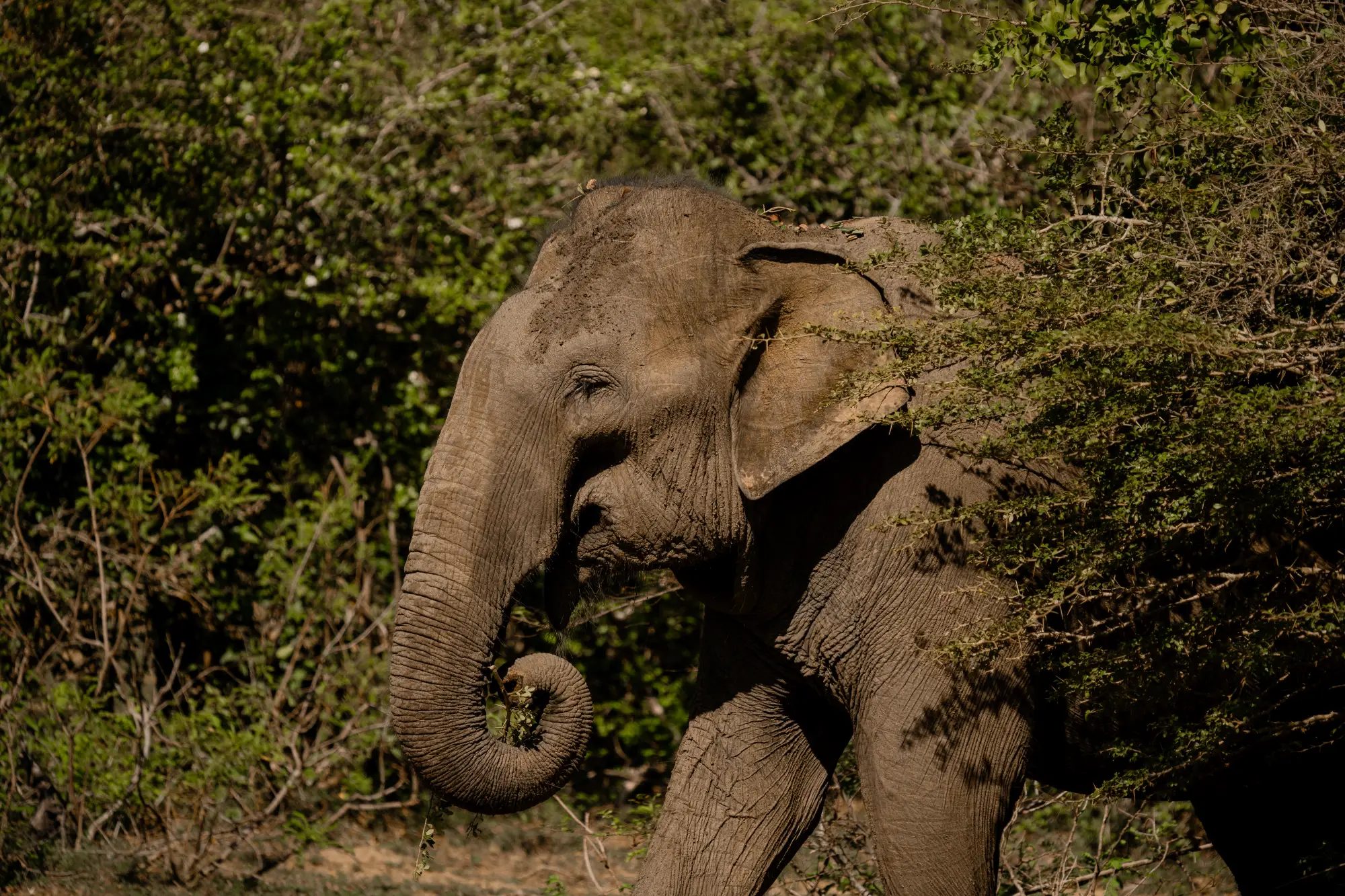
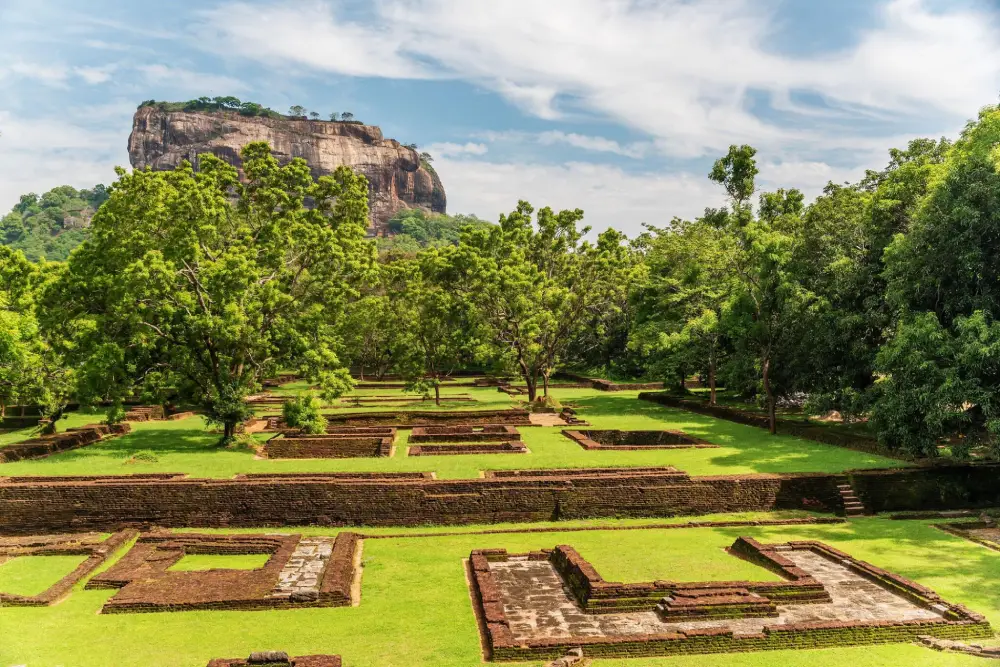
Climb the Lion Rock at opening time, watch sunset from neighbouring Pidurangala, and spend a second day on the cave temples of Dambulla or an elephant safari. But Sigiriya rewards a slower look, and the surrounding villages, lakes, and reserves make it one of the most varied bases on the island. Here is how to make the most of it.
Sigiriya at a Glance
| Activity | Time Needed | Best Time of Day |
|---|---|---|
| Sigiriya Rock Fortress | 2.5 – 3 hours | Opening time (around 7am) |
| Pidurangala Rock | 2 – 2.5 hours | Sunrise or late afternoon |
| Dambulla Cave Temple | 1.5 – 2 hours | Morning |
| Elephant safari (Minneriya, Kaudulla, Hurulu) | 3 – 4 hours | Afternoon |
| Village tour & cooking class | 3 – 4 hours | Late morning to afternoon |
| Sigiriya Museum | 1 hour | After the climb, midday heat |
Climb the Sigiriya Rock Fortress
The Sigiriya Frescoes
The Mirror Wall and the Lion's Paws

Best Time to Visit Sigiriya
The Cultural Triangle’s driest and most comfortable months run from January to April, when skies are clear and the climb is at its most pleasant. May to September is hotter and more humid, though rainfall is generally lower than on the west and south coasts, and it overlaps with the elephant gathering season. October and November bring the inter-monsoon rains and are the wettest stretch. Whatever the season, start early; the morning light and cooler temperatures make a real difference.
How to Get to Sigiriya and How Long to Stay
Sigiriya is roughly 170 kilometres from Colombo, typically a four to five hour drive depending on traffic, and about three hours from Kandy. Most travellers arrive by private car with a driver-guide, which also makes it easy to include Dambulla and the safari parks. Two nights is the sensible minimum, allowing a rock climb, one other major activity, and a little rest. Three nights lets you add Pidurangala, a village tour, and a day trip to Polonnaruwa without rushing.
Practical Tips
- Arrive at opening time and bring water; there are limited places to buy it on the climb.
- Wear sturdy shoes with good grip, as some of the older stone and metal staircases can be slippery.
- Carry a modest cover-up for temple visits at Dambulla and the base of Pidurangala.
- Stay clear of wasps and hornets, which nest on parts of the rock; keep voices low and avoid strong perfume on the climb.
- Check current ticket prices and opening hours before you travel, as foreign visitor rates are set in US dollars and are revised from time to time.
