
Best Time for Wildlife Safaris in Sri Lanka
Sri Lanka packs an outsized amount of wildlife into a small island: the highest density of leopards anywhere in the world, one of Asia’s largest wild elephant populations, sloth bears, crocodiles, and over 250 recorded bird species. Unlike a single-season safari destination, though, Sri Lanka’s parks don’t all peak at the same time. Get the timing right for the park you’re visiting, and the difference in what you see can be dramatic.
The short answer: the dry season, roughly February to June on the island’s southeast and June to September in the north-central region, is when animals cluster around shrinking waterholes and become far easier to spot. But the best month genuinely depends on which park and which animal you’re chasing, so here’s the breakdown.
Sri Lanka's Safari Seasons at a Glance
| Park | Known For | Best Months |
|---|---|---|
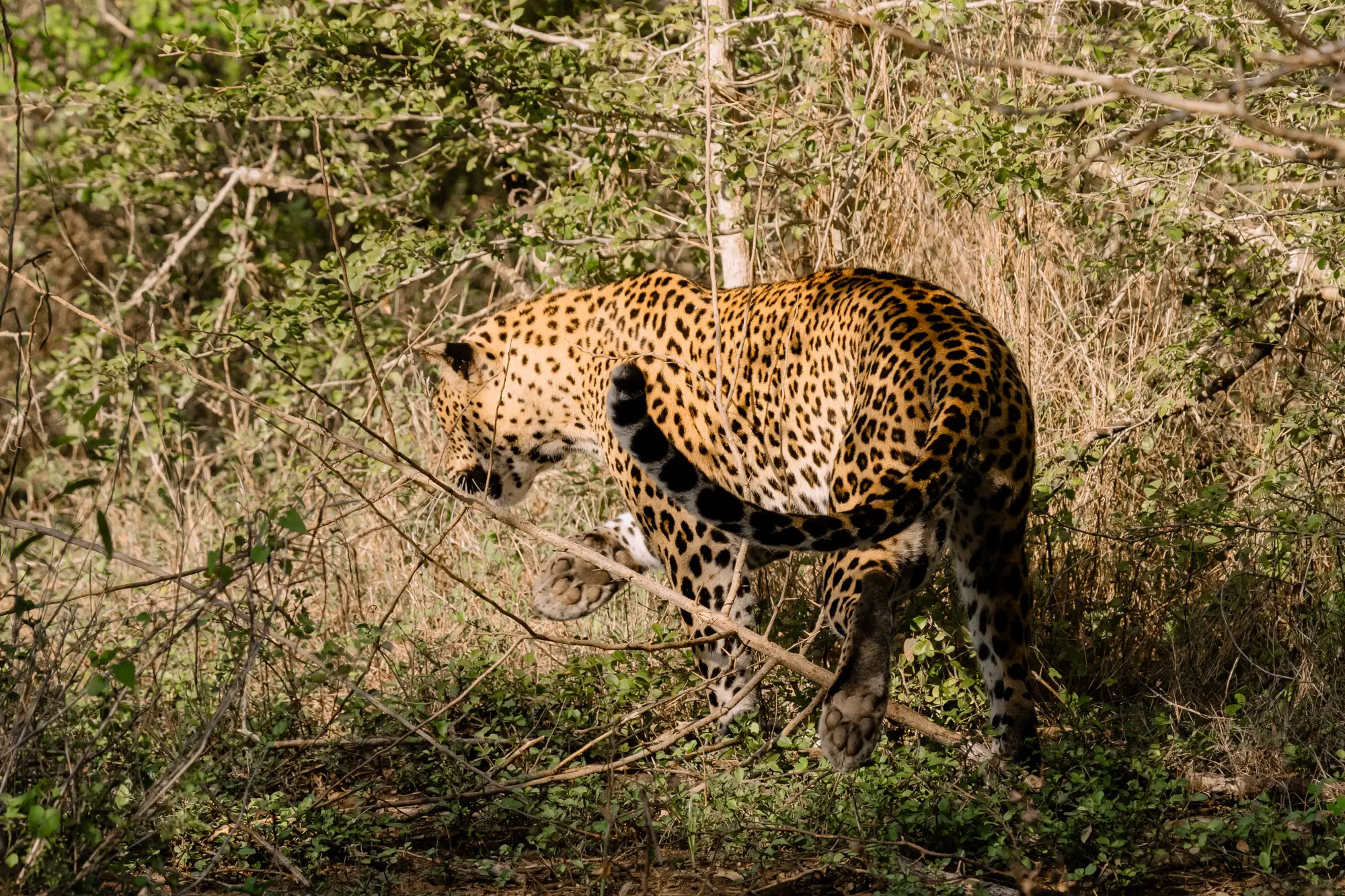
| Yala National Park | Leopards, highest density in the world | February - June |
| Wilpattu National Park | Leopards, fewer crowds than Yala | May - September |
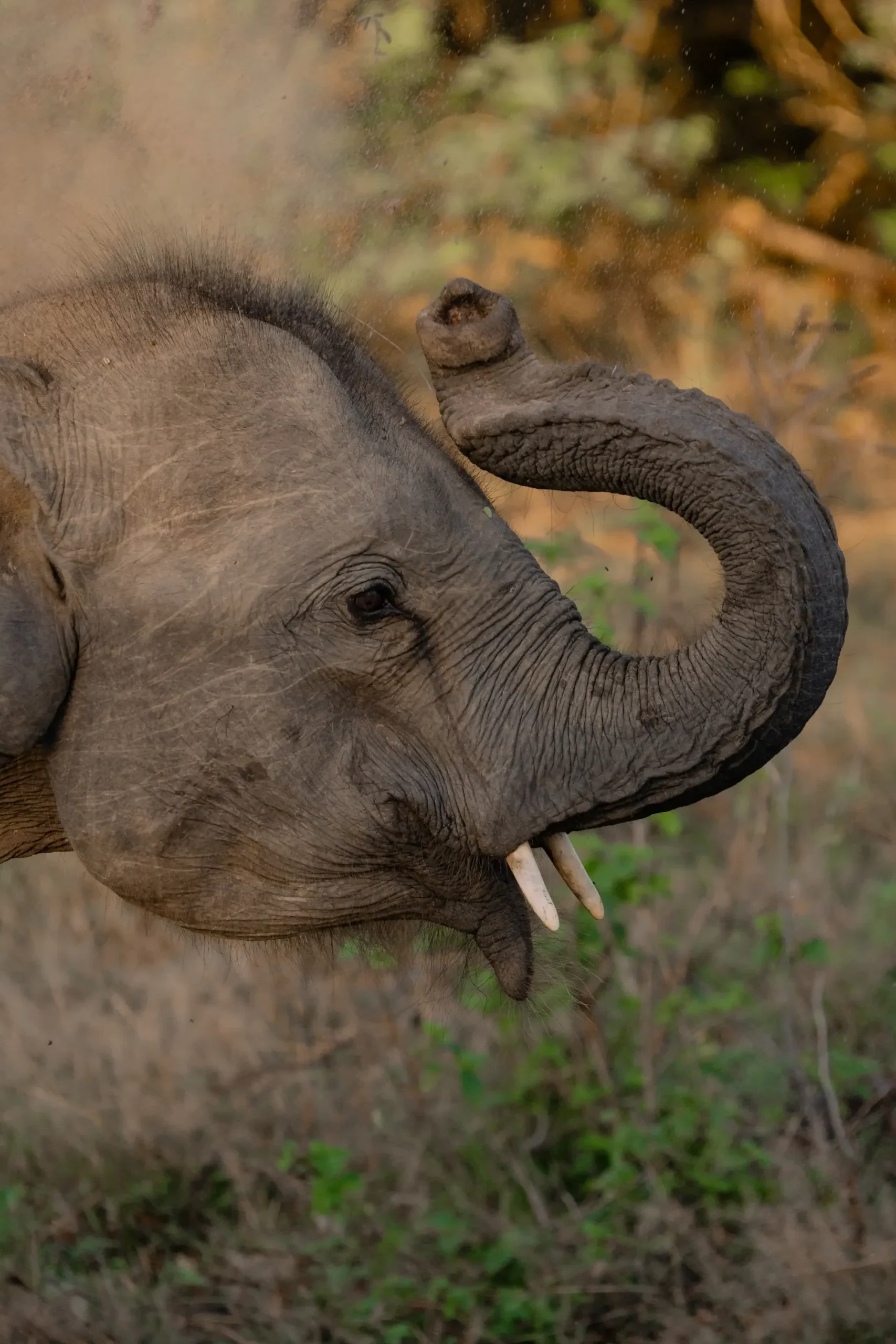
| Udawalawe National Park | Wild elephants, year-round reliability | May - September (dry, best viewing) |
| Minneriya & Kaudulla | "The Gathering" - largest elephant gathering in Asia | July - October |
| Bundala National Park | Migratory birds, wetlands | November - March |
| Wasgamuwa National Park | Elephants: quieter alternative | May - September |
Combining Safaris with
the Rest of Your Trip
Because Sri Lanka’s parks peak at slightly different times, a well-timed itinerary can chase good sightings almost year-round rather than being locked into a single narrow window. A February-to-June trip suits Yala and a classic south-coast route well. A July-to-October trip lines up beautifully with Minneriya’s elephant Gathering and pairs naturally with a Cultural Triangle itinerary, since Sigiriya and Dambulla sit close by. Udawalawe, being reliable across most of the dry season, works as a flexible add-on almost regardless of when the rest of your trip falls.
Best Time of Day for a Safari
Regardless of season, timing within the day matters almost as much as timing within the year. Sri Lanka’s parks run two game-drive slots: an early morning drive starting around 5:30am and an afternoon drive from roughly 2:30pm until park closing near sunset. Animals are most active in the cooler hours at both ends of the day and tend to rest in shade through the middle of the afternoon, so the morning drive consistently produces the best sightings, particularly for leopards, which hunt most actively around dawn and dusk. Afternoon drives are still worthwhile, especially for elephants and birdlife, and tend to have noticeably fewer jeeps competing for the same sighting.
What to Pack for a Safari
- A lightweight jacket or fleece, since open-sided jeeps get surprisingly cold before sunrise even in the hottest months.
- Binoculars; even in leopard-dense Yala, most sightings are at a distance rather than up close.
- A telephoto lens or a phone-to-binocular adapter if photography is a priority.
- A hat and high-SPF sunscreen for the exposed midday sections of longer full-day drives.
- Neutral-coloured clothing; khaki, olive, and muted tones blend in far better than bright colours or white.
Practical Safari Tips
- Book the early morning game drive, not just the afternoon one; wildlife activity and light quality both peak in the first two hours after sunrise.
- Wear neutral, muted colours and avoid bright or white clothing, which can spook wildlife and stand out badly in photographs.
- Bring a lightweight jacket even in the dry season; open jeeps get genuinely cold before sunrise.
- A local guide’s tracking knowledge often matters more than the season itself, particularly for leopard sightings in dense parks like Yala and Wilpattu.
- If Yala’s crowding puts you off, Wilpattu or Wasgamuwa offer a comparably good chance at leopards and elephants with a noticeably quieter experience.
How Rain Affects Wildlife Sightings
It’s a common misconception that a safari during the rains is a wasted trip. Rain genuinely does change the experience, but not always for the worse. During wetter months, water is available throughout the park rather than concentrated at a handful of waterholes, so animals disperse more widely and become somewhat harder to predict. In exchange, the parks turn a deep, photogenic green, temperatures drop from the peak dry-season heat, and jeep numbers thin out considerably, which some repeat visitors actually prefer. The one exception worth planning around is Minneriya’s Gathering, which depends entirely on the reservoir shrinking, so that particular spectacle really is tied to its dry-season window.
Frequently Asked Questions
What is the single best month for a Sri Lanka safari?
There isn’t one universal answer, since it depends on the park. August is a strong all-round choice, as it overlaps with good leopard viewing conditions in Yala, reliable elephant sightings in Udawalawe, and the start of Minneriya’s Gathering season.
When is Yala National Park closed?
Yala’s Block 1 typically closes for roughly a month, most often in September, for annual maintenance. Exact dates vary each year, so it’s worth checking before booking a safari during that window.
Can I do a wildlife safari and a beach holiday in the same trip?
Yes, easily. Yala and Bundala both sit close to the south coast, so a safari morning followed by an afternoon on a beach like Tangalle or Mirissa is a very achievable combination.
Is the rainy season a bad time for safaris?
Not necessarily bad, just different. During wetter months, animals disperse more widely across the parks since water is available everywhere rather than concentrated at a few points, which can make sightings less predictable but the parks themselves greener and quieter.
Our destination specialists track park conditions, closures, and elephant movement patterns throughout the year to build safari itineraries around the best possible sightings.
